




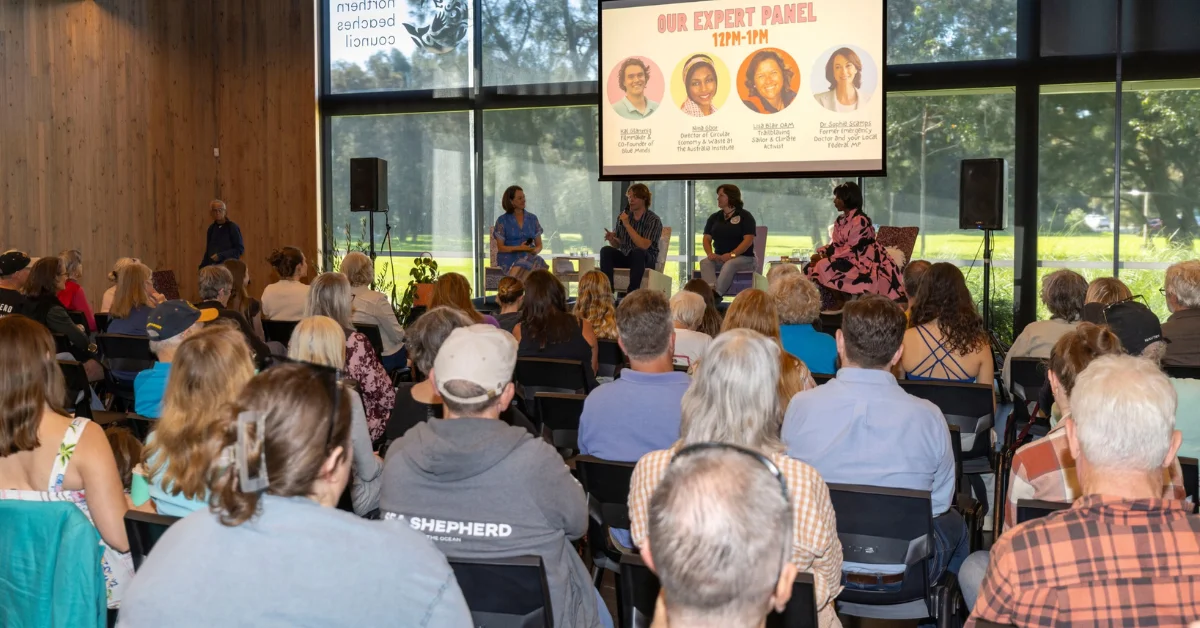
Plastic pollution was brought back to the beaches, waterways and households of the Northern Beaches as hundreds of locals gathered at Warriewood Community Centre for the Waves Without Waste Expo.
Warriewood Plastic Pollution Fight Draws Local Focus
Plastic pollution can often feel like a problem measured in distant oceans and national waste figures, but at Warriewood Community Centre it was brought closer to home.
Hundreds of Northern Beaches residents attended the Waves Without Waste Expo on Saturday, 13 June, for a community day shaped around the impact of plastic waste on beaches, waterways, wildlife and future generations. The event combined expert discussion with stalls, workshops, live music and children’s activities, giving locals a way to engage with the issue beyond statistics and slogans.
For a coastal community, the subject carried an obvious local weight. Beaches, lagoons and the ocean are part of daily life across the Northern Beaches, and the expo placed plastic pollution within that familiar setting. The concern was not only about what ends up in bins, but what can move through waterways, break down into smaller fragments and affect marine environments over time.
The message running through the day was that many residents are already trying to do the right thing by reducing waste, recycling and making more careful choices. But the event also made clear that household effort has limits when plastic packaging continues to be produced and used on a large scale.
Australia uses more than 1.3 million tonnes of plastic packaging each year, with only about 12 per cent of that packaging recycled. Overall, about 14 per cent of plastic waste is recycled in Australia. Those figures gave the Warriewood event its broader context, showing why the issue was framed as more than a matter of personal responsibility.
Children Help Shape the Warriewood Conversation
One of the strongest parts of the expo was the way it brought children and young people into the discussion. Rather than leaving plastic pollution as an adult policy or waste-management issue, the program gave younger attendees their own space to learn, ask questions and take part.
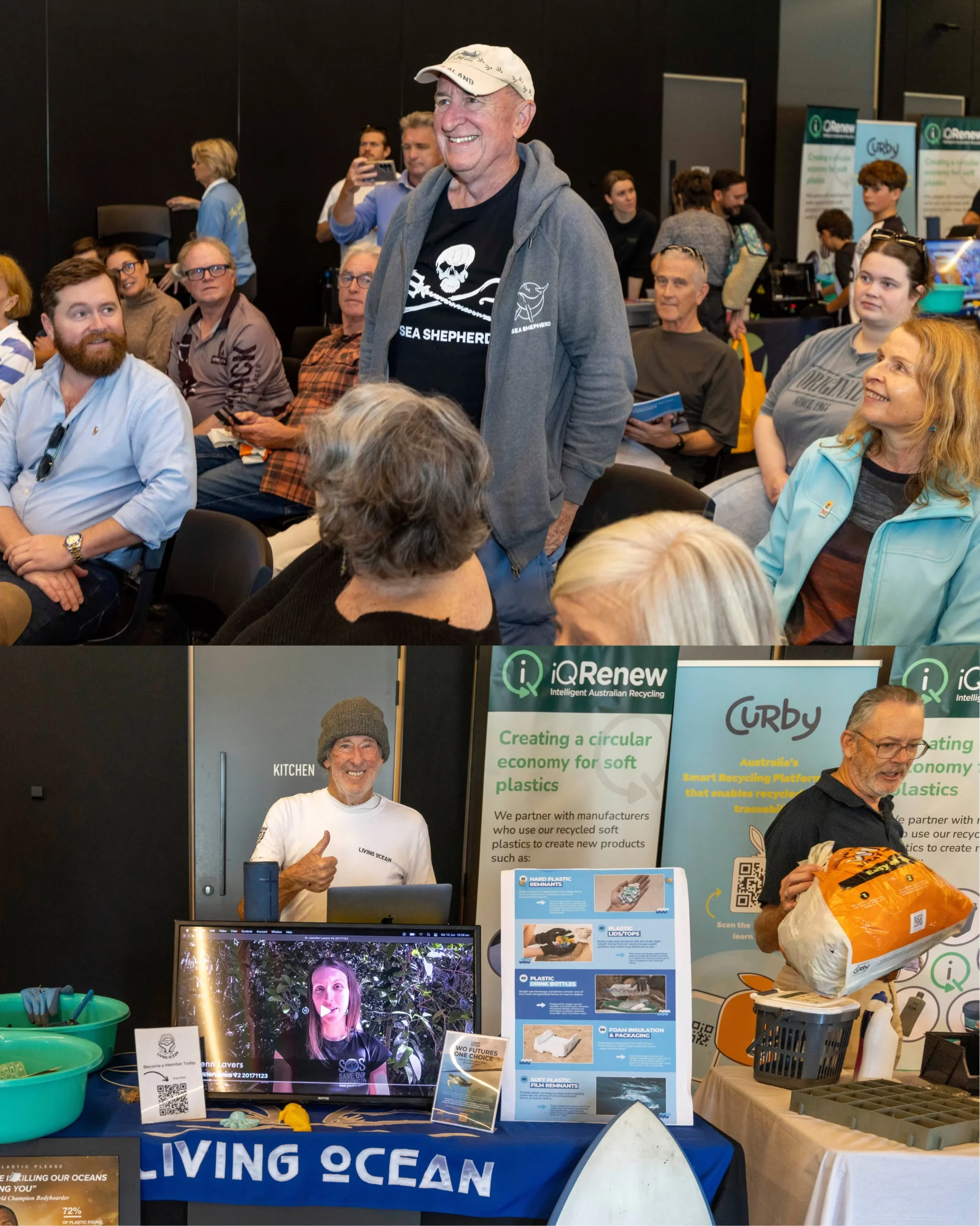
Blue Minds ran a workshop for children and youth as part of the event. The youth ocean leadership program, co-created by Kal Glanznig and Cooper Chapman, is delivered by Surfers for Climate in partnership with The Good Human Factory. Its work focuses on ocean conservation, environmental advocacy, community action, resilience and young people’s connection to the natural world.
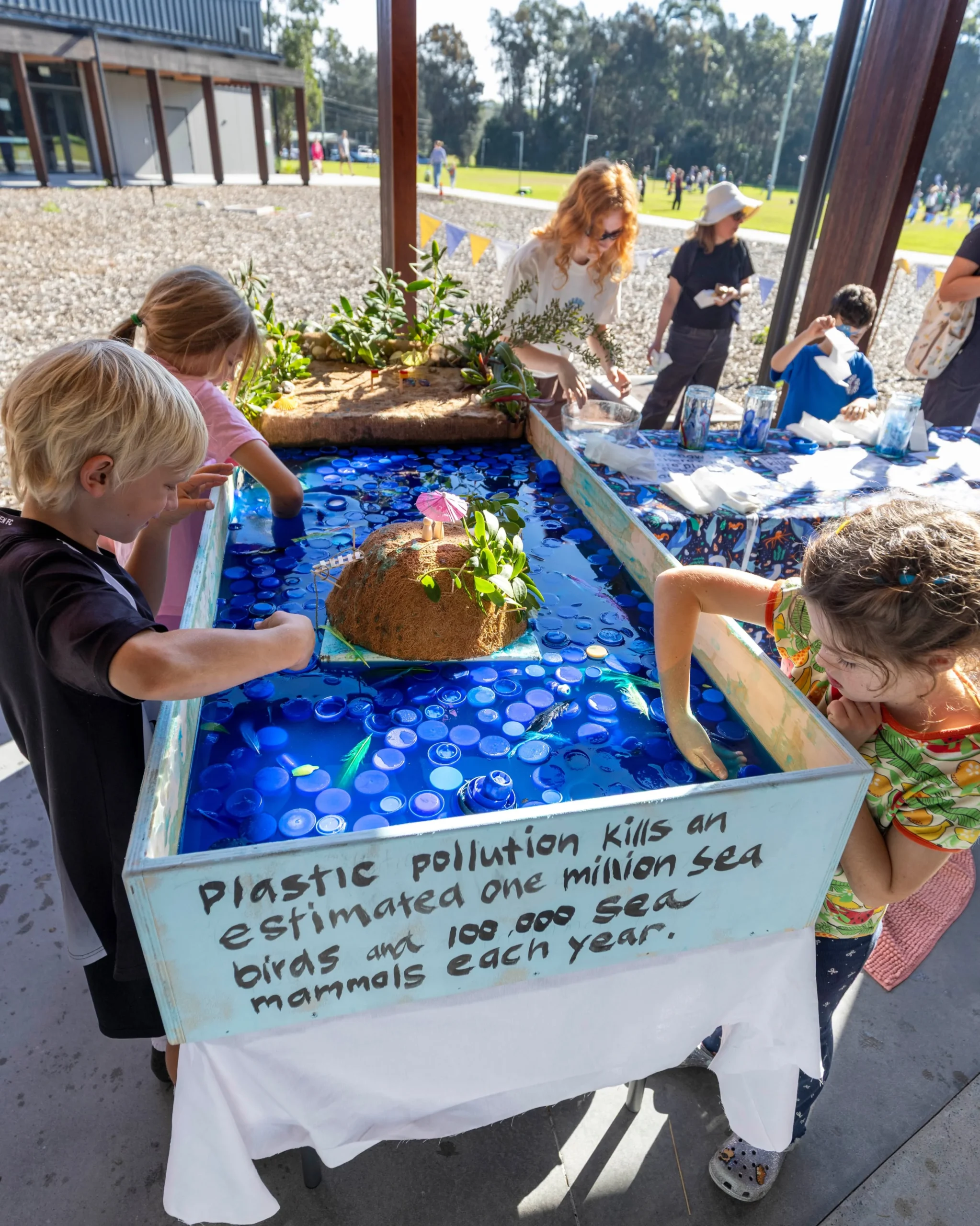
That youth focus helped soften the formality of the forum without weakening the issue. Families could move between children’s activities, face painting, stalls and expert discussion, making the day feel accessible while still carrying a serious message about the long-term effects of plastic waste.
The dedicated kids’ question-and-answer session also gave the event a generational thread. Plastic pollution was presented not just as a current problem, but as one that will shape the beaches and oceans young people inherit.
Local Concern Meets Expert Insight
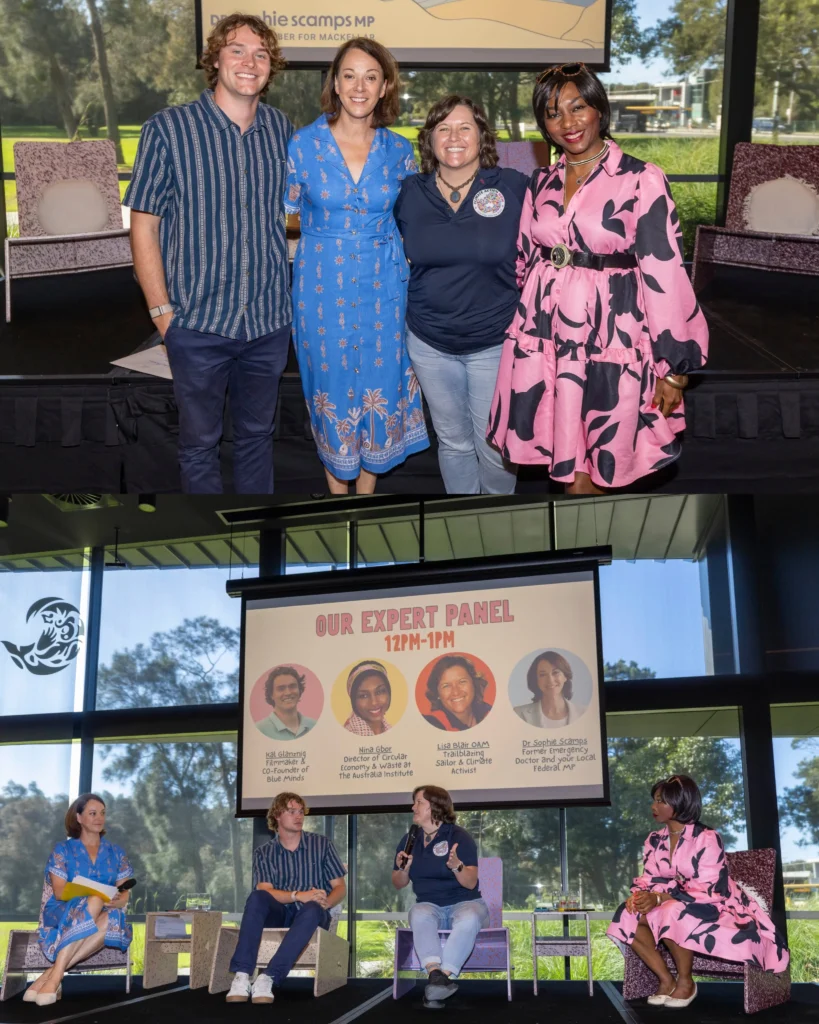
The expo featured a panel including Kal Glanznig, circular economy and waste specialist Nina Gbor, and Warriewood local, world-record sailor and climate advocate Lisa Blair OAM.
Their involvement helped connect the local concern with wider issues around packaging, recycling, microplastics, harmful chemicals and single-use habits. The discussion moved beyond cleaning up visible litter and looked at how plastic is designed, used, collected, recovered and reused.
Community and environmental groups also took part, including Wastebusters Sydney, Living Ocean and the AUSMAPS education team. Their presence gave residents practical ways to understand plastic waste and its connection to waterways and marine life.
The expo’s strength was in bringing those layers together. It was part family day, part learning event and part community forum. Instead of treating plastic pollution as a single problem with a simple fix, it showed how the issue reaches from supermarket packaging and household bins to beaches, waterways and the ocean.
A Community Issue Beyond the Day Itself
The Waves Without Waste Expo ended as more than a record of strong attendance. It showed that plastic pollution remains a live concern for Northern Beaches residents, particularly in places where the natural environment is closely tied to everyday life.
A major theme was responsibility beyond the household. The event raised the idea that companies producing plastic packaging should carry greater responsibility for what happens to it after use, including collection, recycling and reuse. Mandatory targets, stronger standards and tighter controls around harmful chemicals in plastics were also part of the wider discussion.
The heart of the story remained simple. Plastic waste affects places people know and use — beaches, waterways, ocean spaces and community areas where families spend time.
In Warriewood, the turnout showed a community willing to learn more, ask questions and involve younger generations in the conversation. The expo did not present plastic pollution as someone else’s problem. It placed it directly in front of the people who see the value of protecting the coast closest to them.
Published 15-June-2026