




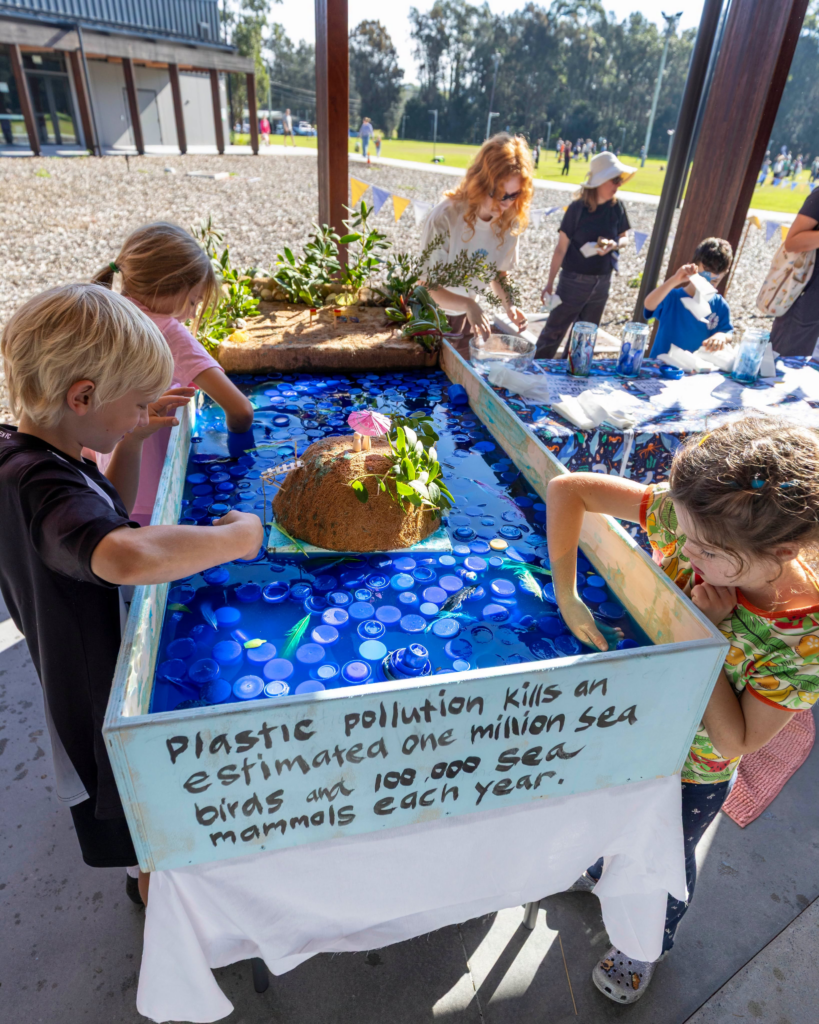
Residents from across the Northern Beaches gathered at Warriewood Community Centre for a Waves Without Waste Expo, hearing from local leaders, sailors and circular economy experts about why Australia’s plastic recycling system is failing — and what a mandatory producer tax could do to fix it.
The event brought together a panel of three specialists to lay out the scale of the problem in plain terms.
The recycling gap
Australia generates close to 1.3 million tonnes of plastic packaging each year, and only about 12 per cent of it is recycled.
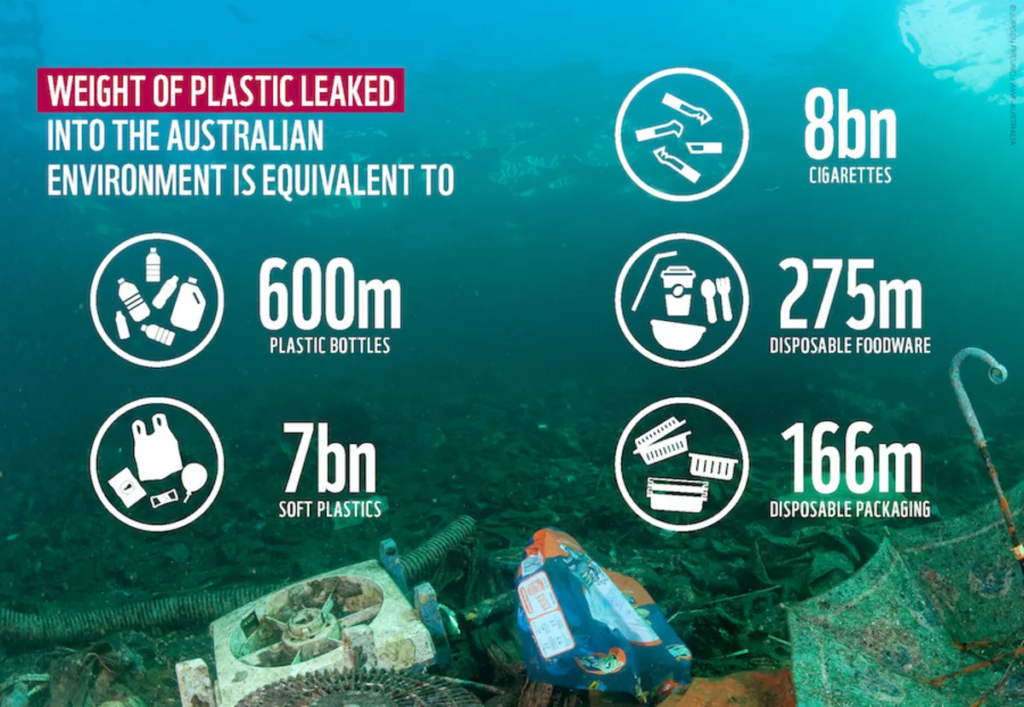
The recycling industry itself has warned that without mandatory policy reform, the utilisation of existing Australian plastic recycling facilities could fall to just 32 per cent within five years, leading to facility closures and job losses.
The voluntary approach — where companies opt in to packaging sustainability schemes — has not closed the gap.
The Australia Institute’s recent report on plastic waste in Australia concluded that plastic recycling in its current form is inefficient, and that meaningful reduction requires policy with teeth.
Plastic beyond the bin
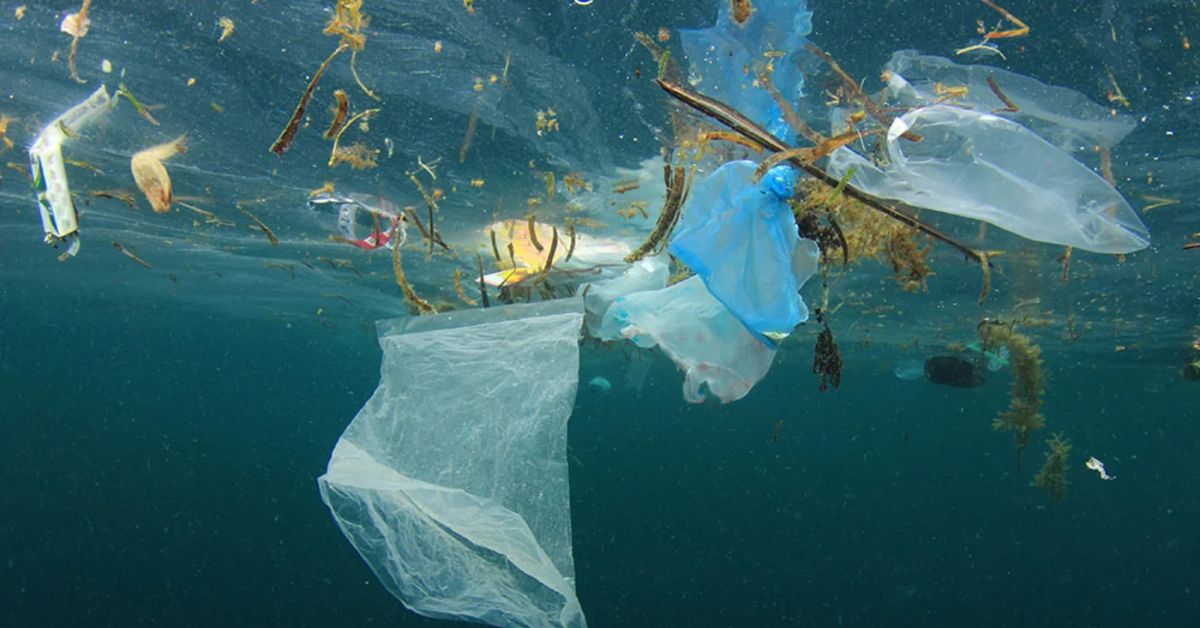
Solo sailor and climate advocate Lisa Blair OAM described witnessing the volume of ocean plastic first-hand during her circumnavigation. “We sailed from Australia towards China and across the North Pacific, and there were whole sections of that trip that I had to have a crew member on the bow of the boat with a boat hook, physically pushing the rubbish and the debris out of the way,” Blair said.
“That was 13 years ago. We sailed in the Southern Ocean, most remote ocean on the planet, thousands of miles from land, and you would see a polystyrene box float past, or a drink bottle.”
The hidden plastic in clothing
Nina Gbor, Director of Circular Economy and Waste at The Australia Institute and co-author of the institute’s plastic waste report, told the audience that clothing was a major and often overlooked source of plastic pollution. Around 70 per cent of garments contain plastic such as polyester, and PFAS — the class of forever chemicals found in many synthetic textiles — is now linked to fertility impacts and carcinogenic effects.
“Plastic has a lot of toxic chemicals. It’s literally on our bodies, the plastics on our bodies are impacting us very directly, very personally,” Gbor said.
The current national clothing stewardship scheme, Seamless, is voluntary, and only a handful of companies have joined. Gbor said that gave the industry cover to keep producing without accountability.
A tax on plastic producers
The Australia Institute report recommended taxing plastic manufacturers between $1,300 and $1,500 per tonne of plastic produced. Applied to major producers, that would generate around $1.5 billion a year — money Gbor said could directly fund the infrastructure needed to address the crisis.
“Coca Cola is worth about $330 billion. That company alone, single-handedly, can solve the global plastic crisis if they wanted to,” Gbor said. “We can’t really control what happens in all countries. We can control on a policy level what gets imported, what we charge manufacturers, and what we can do with that revenue.”
Extended Producer Responsibility — the policy framework
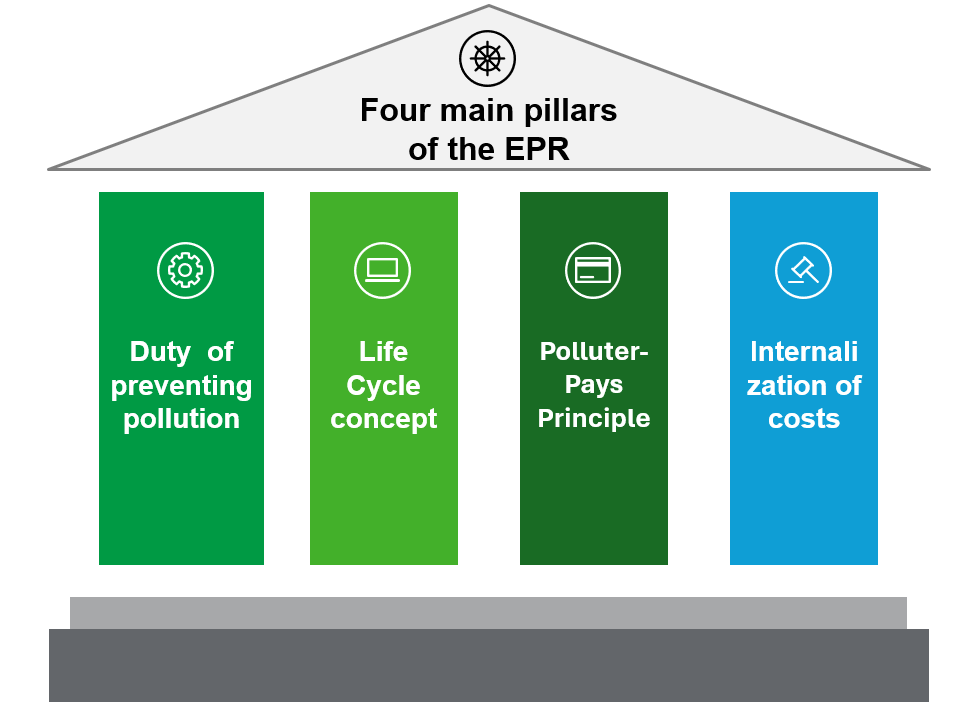
The plan would introduce a mandatory Extended Producer Responsibility (EPR) scheme, requiring plastic producers to take financial responsibility for their packaging throughout its entire life cycle — from collection and recycling to reuse.
“For decades, big corporations have convinced us that plastic waste is our responsibility. But individuals and households cannot solve this problem alone,” she said. “It’s clear voluntary corporate schemes to tackle plastic waste have failed, but now we have a rare opportunity for change.”
The bill would also call for mandatory national targets and standards, and stronger regulation of harmful chemicals in plastics.
Australia’s Return and Earn container deposit scheme is already an example of EPR in action — the Warriewood expo made the case for expanding that principle across the entire plastic production chain.
An EPR scheme for packaging is also supported by the Australian Council of Recycling and the Australian Packaging Covenant Organisation, who jointly warned in January 2026 that without mandatory reform, Australia’s plastic recycling sector faces collapse.
Published 7-July-2026