




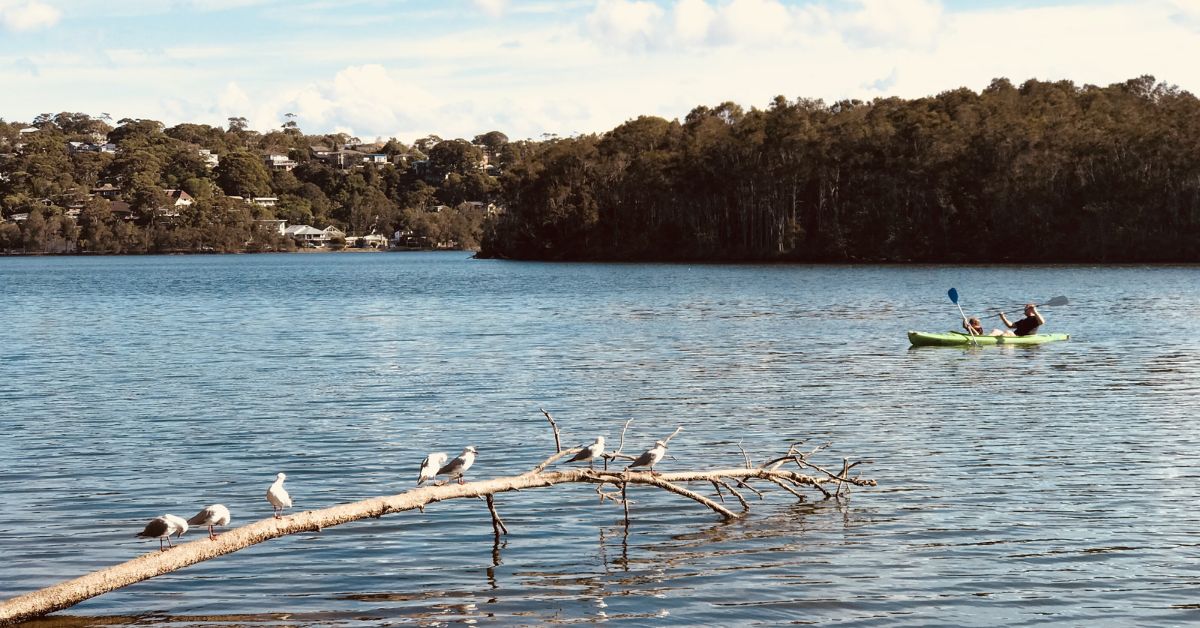
Mosquitoes carrying Ross River virus have been detected at Narrabeen Lagoon, placing the Warriewood Wetlands and Deep Creek areas at the centre of a community health alert issued on 24 April, with authorities urging Warriewood residents to take active precautions when outdoors near water.
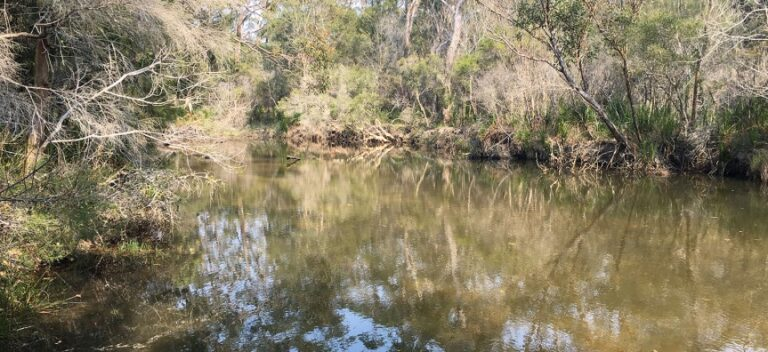
The detection was made through the ongoing mosquito monitoring programme, which traps and tests mosquitoes at key wetland locations across the local government area in partnership with NSW Health. Current monitoring traps are active at Warriewood Wetlands and at Deep Creek, near the Narrabeen Lagoon walking trail, both areas popular with walkers, cyclists and families throughout the warmer months.
The Warriewood Wetlands represent one of the most significant remnant coastal wetland systems on the northern beaches, and that ecological value comes with a consequence: saltmarsh and estuarine habitats are highly productive mosquito breeding environments, particularly after rainfall followed by a warm day. Previous detections at the same sites in 2020 confirmed this is a recurring risk, not a one-off event.
A Disease That Lingers
Ross River virus is the most frequently reported mosquito-borne disease in Australia, with thousands of Australians infected each year. The virus is not fatal but it can be severely and persistently debilitating. There is no vaccine and no cure, making prevention the only reliable protection.
Symptoms arrive between seven and ten days after infection and can include fever, chills, headache, fatigue, and joint pain and swelling that is often worst in the morning. A rash may develop on the body, arms or legs. For many people the acute phase resolves within weeks, but for others the joint pain and fatigue can persist for months or even longer.
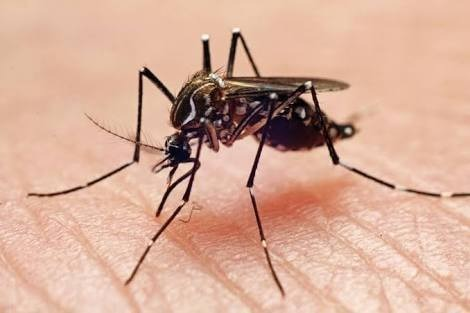
About 40 mosquito species are capable of transmitting the virus. Dr Cameron Webb, a leading University of Sydney mosquito researcher, has documented that Australia’s saltmarsh mosquito, Aedes vigilax, can fly several kilometres from wetlands into surrounding residential areas, meaning the risk is not confined to people walking beside the water.
“People living closer to wetlands are not always fully understanding the health risks of mosquitoes or taking appropriate measures to avoid being bitten,” Webb has noted, observing that urban development adjacent to coastal wetlands consistently increases community exposure to mosquito-borne disease.
Protecting Yourself and Your Family
The most effective protection is straightforward. Avoid being outside at dawn and dusk when mosquitoes are most active. When you do go outdoors, particularly near the wetlands or lagoon, wear long, loose-fitting clothing and apply a repellent containing DEET, picaridin or oil of lemon eucalyptus. Apply it evenly across all exposed skin, not in isolated dabs.

At home, empty any containers holding standing water, including pot plant trays, bird baths, children’s outdoor toys and any garden receptacles, after rain. Change water left out for wildlife regularly. Repair or install flyscreens to reduce overnight exposure.
Anyone who develops symptoms after spending time in or near the wetlands should see their GP and mention the possibility of mosquito-borne illness. For further information, visit the NNSW Health Ross River Fever fact sheet.
Published 29-April-2026