




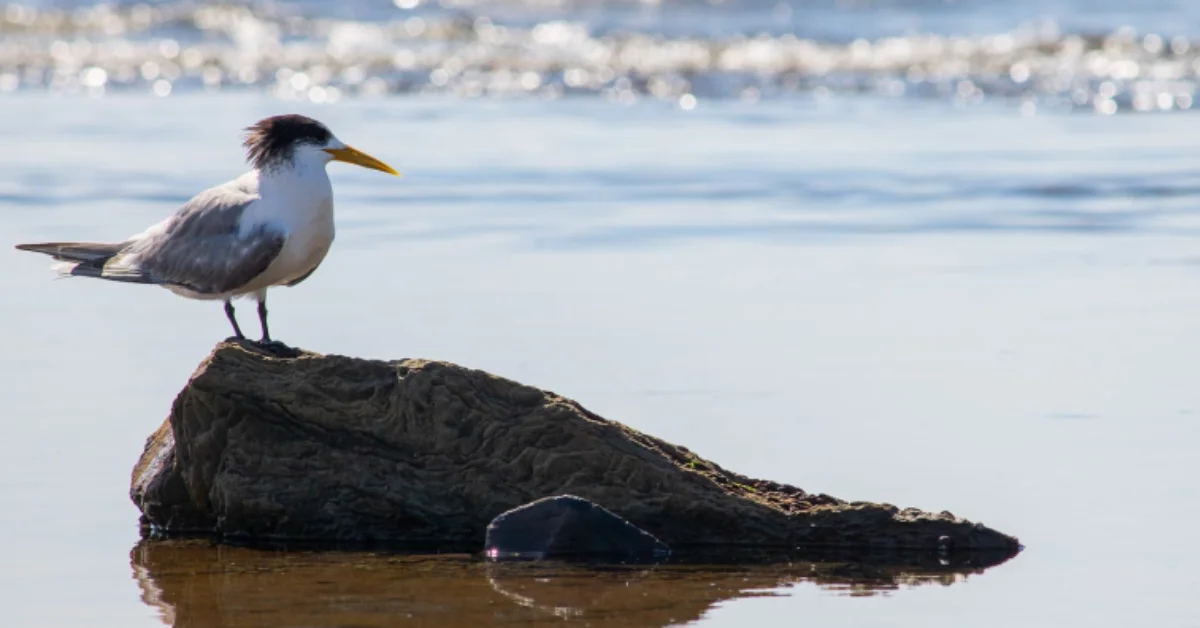
A confirmed case of H5 bird flu in a greater crested tern at Warriewood has placed local residents, beachgoers and pet owners on alert for sick or dead wildlife across the Northern Beaches.
Warriewood Case Brings Advice Closer To Home
The Warriewood bird flu case was confirmed on 3 September after the greater crested tern had been reported by a local resident on 28 August.
It was the first confirmed H5 bird flu detection on the Northern Beaches.
At the time, NSW had recorded 20 H5 bird flu events, with no signs of mass bird deaths in Warriewood or elsewhere in the state.
Another greater crested tern later tested positive at Dee Why Beach, with the second Northern Beaches case confirmed on 11 September. Five new cases reported that day brought the NSW total to 30.
For residents using local beaches, parks and walking tracks, the main advice is to keep away from sick or dead birds and other wildlife rather than attempting to move or handle them.
Residents Asked To Avoid, Record And Report
Anyone who comes across a sick or dead bird is advised to keep a safe distance and record what they see, including the location and photographs or video where possible.
Sightings can be reported through the NSW Department of Primary Industries and Regional Development’s online form or by calling the Emergency Animal Disease Hotline on 1800 675 888.
Reports are reviewed before authorities decide whether further information or testing is required. Some birds may be collected for testing, depending on the assessed risk.
Residents who find dead birds on beaches, playgrounds, sports fields, tracks or trails, should also notify NBC on 1300 434 434.
Pet Owners And Backyard Bird Keepers Urged To Take Care
The advice also extends to households with pets.
Dogs should be prevented from touching or eating wildlife carcasses and from chasing wild birds, while cats should be kept inside.
Residents with backyard chickens or other poultry are advised to stop wild birds from accessing their enclosures, feed and water.
Feed and water areas should be kept clean, good hand hygiene maintained, and birds watched for signs of illness or sudden death.
Feeding wild birds is also discouraged because bringing birds together around food can increase opportunities for the virus to spread.
What Residents Should Watch For
H5 bird flu can spread through contact with infected animals, their droppings or bodily fluids, as well as through contaminated water, mud, sand, equipment and other surfaces.
Seabirds, shorebirds and other birds associated with water can be particularly vulnerable, especially when large numbers gather together.
Residents are being asked to watch for unusual behaviour or illness in birds, including difficulty standing, walking or flying, poor coordination or abnormal posture.
The risk to people in Australia remains low, with human infection considered rare and generally associated with close contact with infected birds, droppings or heavily contaminated environments.
NBC has also been preparing for local cases through surveillance, staff training, protective equipment and clean-up planning.
For the Warriewood and wider Northern Beaches community, residents who find sick or dead birds, domestic birds, marine mammals or other wildlife are advised not to touch them and to report the sighting through the NSW reporting system or the Emergency Animal Disease Hotline on 1800 675 888.
Published 11-September-2026